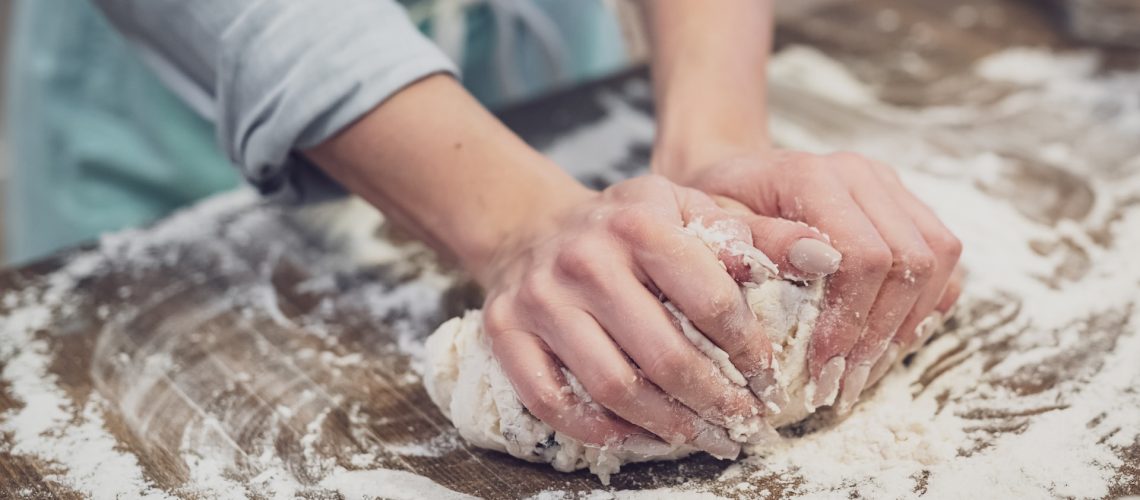
Food is a sensory experience that transcends mere sustenance; it’s a potent tool that can be used to achieve social goals through workshops and community activities. For changemakers and workshop facilitators, integrating the sensory aspects of food offers a creative and impactful way to engage participants, foster connections, and drive positive change. In this article, we will explore some of ideas to use the sensory allure of food as a strategic tool to achieve social objectives, and complement those with practical examples of facilitation methods.
1. Taste and Conversation:
Workshops centered around communal meals can bring people together in meaningful ways. Facilitators can design sessions where participants sample diverse cuisines, sparking conversations about cultural diversity, traditions, and shared values. As taste buds are involved, bonds are formed, fostering understanding and unity.
2. Aroma-based Storytelling:
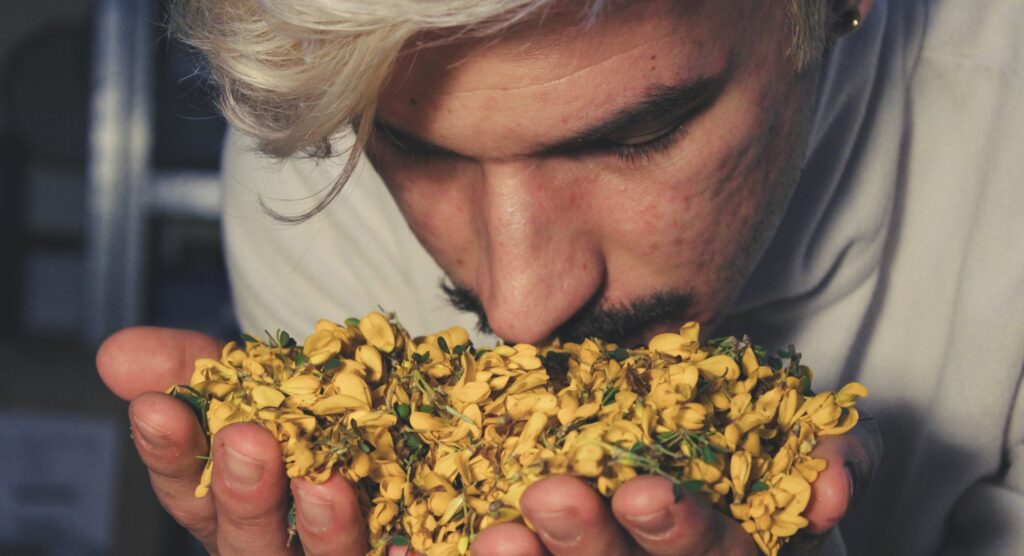
Smell is a powerful trigger for memory and emotion. Changemakers can organize workshops where participants share personal stories related to certain scents, flavors, or dishes. These stories can be used to highlight shared experiences, struggles, and triumphs, promoting empathy and a sense of community.
3. Cooking Collaborations:
Facilitators can arrange cooking workshops that require participants to work together in preparing a meal. Through this shared endeavor, participants learn about teamwork, communication, and problem-solving. The act of creating something tangible fosters a sense of accomplishment, mirroring the collaborative efforts needed for social change.
4. Mindful Eating for Reflection:
Mindful eating workshops encourage participants to savor each bite intentionally. Facilitators guide participants through sensory experiences, leading to reflections on food sources, gratitude, and sustainable consumption. These moments of mindfulness can extend to broader discussions on responsible consumerism.
5. Sensory Stations for Exploration:
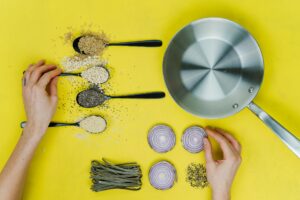
Changemakers can set up sensory stations in community events, each dedicated to a specific sensory aspect of food. These stations might include tactile displays of various ingredients, blindfolded taste tests, or scent identification activities. Such interactive experiences spark curiosity, encourage dialogue, and heighten participants’ sensory awareness.

6. Art and Edible Creations:
Workshops that combine food and art allow participants to express themselves creatively. For instance, facilitators can guide sessions where participants craft edible sculptures or arrange food in visually appealing ways. These activities serve as a metaphor for collaborative innovation and encourage participants to think outside the box.
The sensory appeal of food is a powerful strategy for achieving social goals in workshops and communities. By engaging taste, smell, touch, and sight, leaders and facilitators can create transformative experiences that promote unity, empathy, mindfulness, and creativity. Whether it’s through shared meals, stories linked to scents, or working together in the kitchen, the sensory aspects of food foster connections and drive positive change. With every bite, we hold the potential to shape a more harmonious world!
– – – – – – – – – –
Images by Fulvio Ciccolo, Олег Юдин from Unsplash.